

ETL Certification vs. UL Certifications
Learn More About UL and ETL Certifications
The primary differences between UL and ETL relate to their certification procedures and overall brand recognition. UL is known for its more comprehensive and in-depth evaluation process, often covering a broader range of tests. Nevertheless, both UL and ETL certifications confirm that a product meets rigorous safety standards.
3 Differences Between UL and ETL Certifications
- Testing Process: Both organizations use similar testing methods and standards. However, manufacturers often find ETL’s testing process more streamlined and quicker.
- Recognition and Trust: UL has a longer history and higher brand recognition among consumers, which can be a significant factor in market acceptance.
- Cost: ETL certification can be more cost-effective for manufacturers, which can potentially lower overall consumer costs.
ETL vs UL Certified: Why Choose One Over the Other?
- Manufacturer’s Perspective: Choosing between UL and ETL often comes down to cost, turnaround time, and the specific requirements of the target market. ETL is frequently chosen for its cost-effectiveness and faster certification process.
- Consumer’s Perspective: For consumers, the presence of either mark (UL or ETL) assures that the product is safe and compliant. However, some consumers might prefer UL due to its longer-standing reputation.
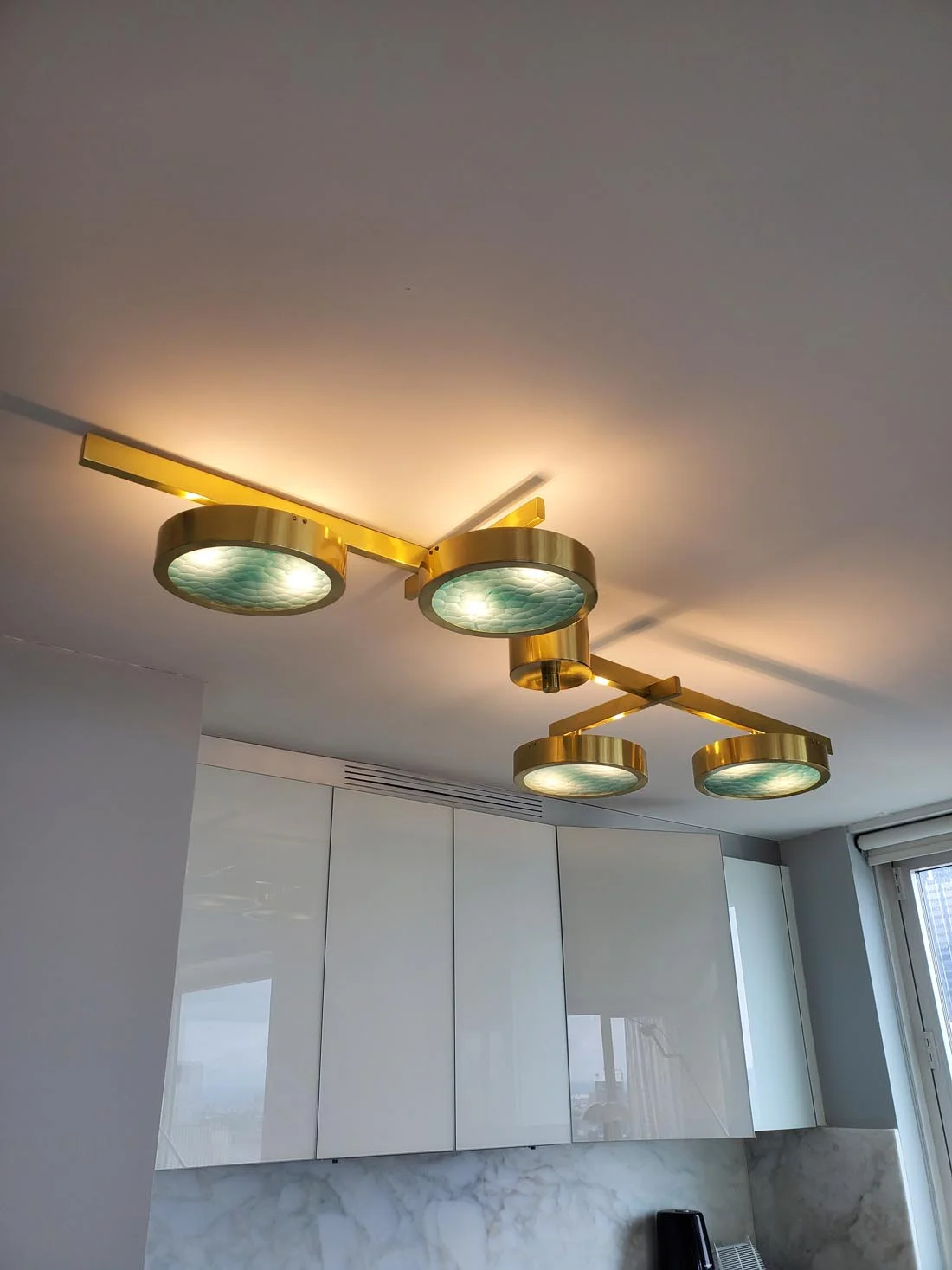
About ETL: Electrical Testing Laboratories
Originally established in 1896 by Thomas Edison as the Lamp Testing Bureau, ETL is now operated by Intertek. Today, ETL evaluates products to ensure they meet published safety standards set by organizations such as UL, ASME, and ASTM. The ETL mark is widely recognized throughout the U.S. and Canada as verification that a product complies with these rigorous standards.
For LED lighting, ETL certification confirms that each product has undergone thorough testing and meets all applicable safety, quality, and durability requirements for national standards in both countries.
Dangers of Non-ETL Lighting
Non-ETL LED lights may not provide consistent illumination, color temperature, or lifespan, leading to frequent replacements and unexpected failures. Here are a few dangers that come about due to non-ETL lighting.
- Reduced Energy Efficiency: Lighting may not be as energy efficient as certified products, which can lead to higher energy costs for your home or business.
- Electrical Hazards: Non-ETL-certified ceiling lights may have faulty wiring or poor insulation, increasing the risk of electrical shocks and short circuits.
- Risk of Fire: Without ETL certification, recessed ceiling lights might be made from poor materials that can overheat or catch fire. This is especially true if installed near insulation or other flammable materials.
- Poor Quality Materials: Non-ETL lighting may use inferior materials that will melt and overheat due to improper thermal heat dissipation.
- Failure to Adhere to Building Codes: Using non-ETL-certified lights can result in non-compliance, affecting insurance claims and property value.
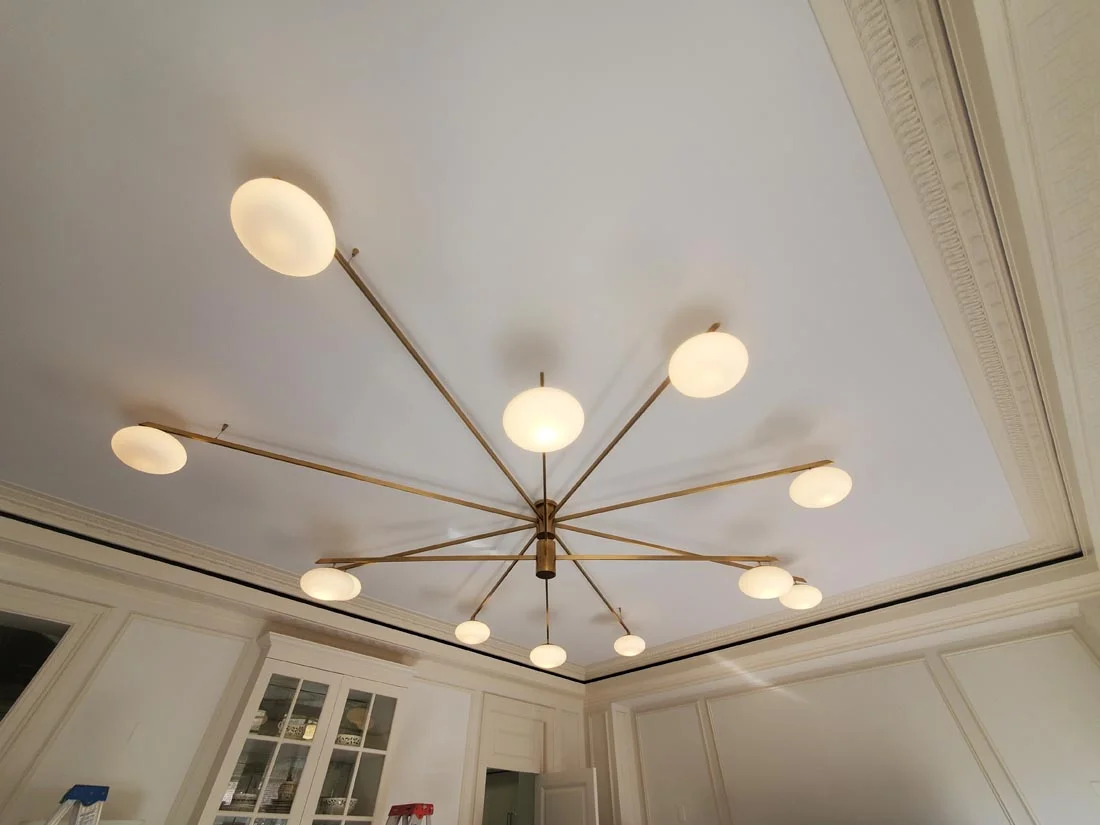
LED Lighting Importance
5 Reasons Why Certifications are Important for LED Lighting
UL and ETL certifications are not just labels. They are important in ensuring the safety and quality of LED products. While they may differ in their processes and market recognition, both certifications provide valuable assurance to consumers and professionals alike. Which gives everyone peace of mind that safety standards are met. Here are five reasons why certification is important for LED lighting.
- Safety Assurance: UL and ETL certifications indicate that LED products have been rigorously tested to prevent electrical hazards, as well as other safety risks.
- Insurance: Some insurance companies may require the use of certified products to provide coverage.
- Quality Indicator: These two certifications serve as a benchmark for product quality, encompassing performance and durability standards.
- Regulatory compliance: UL and ETL certifications are not just about safety and quality. These certifications are also about regulatory compliance. Many building codes and regulations require UL or ETL-listed products, which makes these certifications essential for widespread application and ensuring that your LED lighting choices are legal and compliant.
- Consumer and Professional Confidence: Certified products provide peace of mind to end-users and industry professionals, ensuring that safety standards are met.
It is important to note that while certification is essential, it should be considered alongside other factors such as energy efficiency, color rendering index, and overall product quality when selecting the right LED lighting solutions.
Get a Quote Today
Whether you choose UL or ETL-certified LED lighting, both certifications offer a high level of assurance regarding the product’s safety, performance, and compliance. However, regardless of your choice, always prioritize certified products to ensure the safety and reliability of your LED lighting.
With our decades of experience, we offer expert restoration and maintenance of all types of new and vintage light fixtures. Located in Deer Park, New York, our services extend to clients across Long Island. Get a quote today for our LED lighting services.
